Why Your MRI Looks “Normal” but You Still Have a CSF Leak with Dr. Andrew Callen (Ep 193)

Spinal cerebral spinal fluid (CSF) leaks are significantly more common in those with connective tissue disorders than many realize, yet patients often suffer for years before finding the right diagnosis.
In this episode, neuroradiologist Dr. Andrew Callen joins Dr. Linda Bluestein and co-host Dr. Knight to discuss the complexities of CSF dynamics and the challenges of diagnosing leaks when routine imaging appears normal. Dr. Callen explains the different types of leaks, including the elusive CSF-venous fistula, and why common clinical assumptions, like the requirement of a low opening pressure, are often incorrect.
From the Bern Score to the critical differences between Chiari malformations and positional brain sag, this conversation provides an essential roadmap for patients and clinicians navigating the "unseen" world of intracranial hypotension.







Spinal cerebral spinal fluid (CSF) leaks are significantly more common in those with connective tissue disorders than many realize, yet patients often suffer for years before finding the right diagnosis.
In this episode, neuroradiologist Dr. Andrew Callen joins Dr. Linda Bluestein and co-host Dr. Knight to discuss the complexities of CSF dynamics and the challenges of diagnosing leaks when routine imaging appears normal. Dr. Callen explains the different types of leaks, including the elusive CSF-venous fistula, and why common clinical assumptions, like the requirement of a low opening pressure, are often incorrect.
From the Bern Score to the critical differences between Chiari malformations and positional brain sag, this conversation provides an essential roadmap for patients and clinicians navigating the "unseen" world of intracranial hypotension.
Takeaways:
Cerebral Spinal Fluid Basics: CSF is a clear fluid that cushions the brain and spine and plays a vital role in metabolic function.
Three Major Leak Types: Leaks can occur via bone spurs poking the dura, nerve root tears (common in EDS), or CSF-venous fistulas where fluid drains into the bloodstream.
Atypical Presentation: While "orthostatic headaches" (worse when upright) are classic, many patients experience vestibular symptoms like ringing in the ears, muffled hearing, imbalance, or cognitive "brain fog".
The Pressure Myth: The vast majority of proven CSF leak patients do not have low opening pressure; it is a disease of low volume, not necessarily low pressure.
Chiari Misdiagnosis: Positional "brain sag" can look identical to a Chiari malformation on imaging, leading to inappropriate surgical treatments if not carefully evaluated.
The Bern Score: This probabilistic scoring system based on MRI findings helps radiologists determine how likely it is that a myelogram will successfully find a patient's leak.
Imaging Strategy: Clinicians should look beyond simple reports and request specific measurements, such as the optic nerve sheath diameter and the Bern Score, to build an evidence-based case.
Want more Dr. Andrew Callen?
https://x.com/AndrewCallenMD
Go to AirDoctorPro.com and use promo code BENDY_ to get UP TO $300 off today!
Want to learn more about the UVA EDS Center?
For Appointments and Questions: RUVAEDSCenter@uvahealth.org
UVA EDS: https://www.uvahealth.com/healthy-practice/advancing-care-through-ehlers-danlos-clinic
UVA EDS FAQ: https://www.uvahealth.com/support/eds/faq
UVA Pediatric Integrative Medicine: https://childrens.uvahealth.com/specialties/integrative-health
Want more Dr. Linda Bluestein, MD?
Website: https://www.hypermobilitymd.com/
YouTube: https://www.youtube.com/@bendybodiespodcast
Instagram: https://www.instagram.com/hypermobilitymd/
Facebook: https://www.facebook.com/BendyBodiesPodcast
X: https://twitter.com/BluesteinLinda
LinkedIn: https://www.linkedin.com/in/hypermobilitymd/
Newsletter: https://hypermobilitymd.substack.com/
Shop my Amazon store https://www.amazon.com/shop/hypermobilitymd
Dr. Bluestein's Recommended Herbs, Supplements and Care Necessities: https://us.fullscript.com/welcome/hypermobilitymd/store-start
Thank YOU so much for tuning in. We hope you found this episode informative, inspiring, useful, validating, and enjoyable. Join us on the next episode for YOUR time to level up your knowledge about hypermobility disorders and the people who have them.
Join YOUR Bendy Bodies community at https://www\.bendybodiespodcast\.com/.
YOUR bendy body is our highest priority!
Learn more about Human Content at http://www\.human-content\.com
Podcast Advertising/Business Inquiries: sales@human-content.com
Part of the Human Content Podcast Network
FTC: This video is not sponsored. Links are commissionable, meaning I may earn commission from purchases made through links
Learn more about your ad choices. Visit megaphone.fm/adchoices
Transcripts are autogenerated and may contain errors
Andrew Callen, MD: [00:00:00] So if we think about somebody laying face down, they have that cervical lordosis that kind of bends forward. Then the thoracic kyphosis like a little hill, and then the lumbar lordosis like a little hammock, right? I put the blood in the hammock down in the lumbar spine. It's just gonna pull there. Turns out if you put it at the top of the thoracic spine, it really spreads a lot for even a smaller amount of volume.
And almost all the leak types tend to occur in the thoracic spine.
Dr. Linda Bluestein: Welcome back every bendy body to the Bendy Bodies podcast. I'm your host, Dr. Linda Bluestein, the Hypermobility md. A Mayo Clinic trained physician dedicated to helping you navigate EDS and complex chronic illness. Today I'm joined by Dr. Dacre Knight, who is not only an expert in EDS HSD Pots and Mast cell disorders, but is also joining me as a recurring co-host.
[00:01:00] Dr. Knight recently became the medical director of the UVA Health EDS and Hypermobility Disorders Center, which is officially partnering with Bendy bodies. I'm so excited to have this conversation today with neuroradiologist Dr. Andrew Callen in people with connective tissue disorders. CSF leaks or cerebral spinal fluid leaks are so much more common than most people realize.
People can suffer for years, if not decades before getting appropriately treated. So this is a really important conversation today. Dr. Callen is an associate professor of radiology and neurology at the University of Colorado School of Medicine, and the founder and director of the CU CSF Leak Program.
Colorado's first multidisciplinary center dedicated to diagnosing and treating spinal CSF leaks, a national and international leader in this field. He has authored over 60 manuscripts, including more than 30 peer reviewed publications and two textbook chapters on CSF Dynamics and spinal CSF leaks. He is also the inventor of a novel patient positioning device for dynamic CT myography that [00:02:00] improves diagnostic accuracy.
Dr. Callen is a founding member of the International Spinal CSF Leak Society and serves on medical advisory boards for US and Canadian CSF leak foundations. I'm so excited about this conversation and can't wait for you to learn from Dr. Callen. As always, this information is for educational purposes only, and it's not a substitute for personalized medical advice.
Stick around until the very end so you don't miss any of our special hypermobility hacks. Here we go.
Well, I am so excited to be here with Dr. Andrew Callen. I've been wanting to talk to you for such a long time, so thank you so much for coming on Bendy Bodies.
Andrew Callen, MD: Thank you for having me. Yeah, it's my pleasure.
Dr. Linda Bluestein: Fantastic. So we know that CSF leaks are something that are really common in this, well, they're more common, I should say, in people with connective tissue disorders.
And let's just start out by, if you could explain what CSF leaks are and why people can get things like spontaneous intracranial hypotension.
Andrew Callen, MD: Sure. Yeah. so, you [00:03:00] know, just starting from basics, just a definition of term CSF sensor, cerebral spinal fluid, it is the fluid, a clear fluid looks like water surrounding the brain and spinal cord.
and it's contained by the dura, which is the sort of sacro lining that holds that fluid in. And it participates not only in sort of a cushioning or sort of just a mechanical, barrier or presence, but also it's very important in the sort of metabolic function of the brain. and many other sort of processing that are being actively investigated currently.
and doctors have known for a long time that if we put a needle in, someone's back, for example, to do a spinal pap, a lumbar puncture and take fluid out, that people may get a headache, and associated other symptoms. But really in, in the more recent sort of, understanding has emerged that these leaks can occur spontaneously.
And when we say spontaneously, you know, we mean that there wasn't an obvious precipitating [00:04:00] cause. But, you know, some people, a little less than half, around 40% of patients will experience some sort of very minor trauma. For example, they fell down or they bump their head or what have you. But nonetheless, we call these spontaneous rather than traumatic, which can have its own sort of distinct, appearance.
And when they occur, in, three major forms. the first form is when there's a little bone spur, in the spine from wear and tear arthritis that will poke a hole in the dura, usually in the front and the dura and that then fluid comes out. We see a big fluid collection, in the spine.
The second is on the side of the spine. The spinal cord gives off nerve roots. Those nerve roots are branch points from the dura and they can tear. And it's these types in particular that, seem to be most associated with connective tissue disease. they tend to occur in the lower thoracic spine mostly.
And these are, while it seems you know, it's a hole if fluid comes out, that should be straightforward as well. I've [00:05:00] also sort of undergone a renaissance and understanding, which we can get into in more detail later. But nonetheless, another terror in the dura fluid comes out. And then in 20 13, 20 14, a third type of CSF leak was discovered, which is A CSF venous fistula.
This is not a hole in the dura with fluid pouring out, but rather a vein, a normal vein that is participating in normal physiologic CSF resorption every day that loses that sort of regulatory capacity. And the fluid just sort of gets drained through this vein, unchecked. And so the CSF is being lost, but into the bloodstream.
And so there's no fluid collection, a regular myelogram where we inject x-ray dye into the spine. the test that's done in almost every hospital in the country will not find it. You have to do a very special type of myelogram. That was part of the reason we couldn't find them. And so, yeah, and then it, it, basically will result in this, syndrome where we have, you know, it's, classically [00:06:00] characterized as a orthostatic headache.
A headache that is worse when we are upright and better when we are flat. But that too has undergone a really big revolution in terms of understanding the symptom complex of this disease. It's really much more complicated than that. I can't tell you how many of my patients say Dr. Callum. It's not a headache.
It's not, it's a different feeling. It's a sensation. There's other things going on with it. some people have no headache at all. and particularly with that CSFB, the fistula subtype, it could be very, as you, you might say, atypical, but to me, what's atypical is really that just basic classic story, right?
and we're just learning more and more about the different ways that these patients can present and it makes it really challenging because this is not. Sort of paradigm that we as doctors learn about in med school. Right. And just say, oh, it's a headache. And, that's it.
Dr. Linda Bluestein: For sure. I'm an anesthesiologist, so I learned about, you know, you do a wet tap or you do a spinal for, doing a IDE block.
And yes, you may get a CSF leak headache, and then you might do a blood patch. But it was like a very straightforward [00:07:00] thing. Right. And so spontaneous CSF leaks are definitely something that I had not been aware of at all before. they're so often overlooked. They're so often misdiagnosed. I know that, you know, normal imaging quote, normal imaging is also a huge part of the problem.
can you explain more about why these are so often overlooked and misdiagnosed? And we're gonna get more later into like, what people should do if they really strongly suspect that they have a leak and they have normal imaging. but what kind of symptoms should we be looking for that don't fit the classic patterns?
Andrew Callen, MD: Yeah. Yeah. there's a lot of great stuff to talk about in that question. I just wanna briefly touch on the fact that, you know, we're talking about spontaneous CSF leaks today, but, you know, half my patients are people suffering from chronic doctor cause leaks. This is another thing that we've come to understand, you know, certainly as an anesthesiologist, but as a proceduralist, like, you know, in neuroradiology, we were, I was certainly taught this is a benign [00:08:00] self-limiting thing.
Postal puncture headache, have 'em lay down, drink some caffeine, they'll be fine. we now know by a relatively robust body of evidence that, this could become a chronic, debilitating, disease as well. So, I, feel very strongly about, that requires more recognition, as well. But in terms of why, you know, why this is overlooked, I mean, you could start, there's so many ways to look at this.
I mean, the first is probably the clinical recognition, right? If somebody does not have, does not come in and say, Hey, I have a headache that it is horrible. When I stand up, it's in the back of my head. And it's like a pressure sensation. and then when I lay down, it goes away. If they don't say that sentence, then they probably will not get queued by their doctor to be like, oh, could this be a CSF leak?
Right. And if they say, well, you know, when I first started, I noticed that, but as it went on, actually when I lay down, I didn't get as much relief as I did. You know, and that kind, that part went away. [00:09:00] Or they're describing vestibular cochlear symptoms. You know, this is a very common set of symptoms that go along with a spinal CSF leak.
And what I mean by that is ringing in the ears, a sense of imbalance. Patients very frequently say it's not dizziness. It's not like the room is spinning necessarily, but it's almost like I feel intoxicated or like I'm on a boat. people frequently ref, describe oral fullness, meaning like, they feel like they need to pop their ears, or it almost feels like they're underwater.
they often have hearing issues, and they, and, you know, sensory neural hearing loss, feeling like they can't understand, what people are saying to them. Then along with that cognitive, you know, people call, refer to it commonly as brain fog, you know, cognitive slowing, sort of just feeling like they're not themselves, they can't do their normal activities of daily living, you know, balance their checkbook or just talk to people without, you know, they struggle to find the correct words, et cetera.
and so, and these sets of, symptoms, and they, go on and on the [00:10:00] problem is that they're not specific for this disease, right? So it's, you know, I mean really it's, I tell my patients, you know, if you talk to me five years ago, I would've been much more certain about things, right?
They would say, I had this symptom, could that be my leak? And I would say, well, no, that's not a leak. And then we would treat the CSF leak and it would go away. And I would say, wow, you know, what do I know, about, about this? and really there's not like a specific clinical question I can ask a patient and say, aha.
Know that it therefore it is or is not a leak. And that's why we rely so much on the imaging.
Dr. Linda Bluestein: Yeah, that's so tricky because we know that this same population of people are at risk for Chiari Malformation, you know, dysautonomia, creo cervical instability, like so many thi elevated intracranial pressure, which obviously is like the opposite, but it seems like that's so tricky because they probably get mislabeled, super commonly.
So Yeah. Ha It would be nice if we had really highly specific things to be looking for.
Andrew Callen, MD: Yeah, absolutely. And I think, you know, [00:11:00] patients find themselves, you know, my patients, our patients, you know, just we're talking about, find themselves in this area of medicine where there is so much uncertainty and doctors don't like being uncertain and they don't like not knowing.
And so what the, frequent response to that is dismissal, of symptoms. But really, you know, if you. Where that leaves patients is struggling to figure this out on their own, which often can lead to, you know, inappropriate or just sort of over the top test treatments, things, you know, spending money, et cetera, when, really they just need somebody to listen to them and just take this, go through their story very, carefully.
you know, you mentioned earlier the concept of a normal brain, MRI. It's funny, you know, a lot of the data and literature about, you know, a certain percentage of patients have a normal brain. MRI, well, I can't tell you how many of my patients we see. they are, you know, come from an outside institution.
We get their imaging reports and the report says a normal brain MRI, but it's not normal. There, there are subtle features of intracranial hypotension that were missed or overlooked. And so that person is getting [00:12:00] lumped in with the, you know, this normal statistic, right? And there is, there, there is, sort of, a newer under like increased understanding of radiology, that it's not just one finding or two findings.
All these different findings may have to look at them very carefully, but, you know. it's, it, requires a very careful eye and a systematic approach and education on the imaging side as well.
Dr. Linda Bluestein: And before Dr. Knight jumps in with some questions about leak types, you've already explained a little bit about that, but, and some red flags.
Can you first just, comment on opening pressures and if they are usually low, or could they be normal or even elevated?
Andrew Callen, MD: Yeah, this is a huge, problem in this disease where we're just, we, could just make a list of issues. you know, in the, International classification of headache disorders, one of the major criteria for the diagnosis of intracranial hypotension is a low opening pressure.
however, study after study has shown, including some of our own work, that the [00:13:00] vast majority of patients with this proven spinal CSF leak do not have a low opening pressure. This is a big problem because you, as you can imagine, you know, some patient in the community, they go to their doctor, their primary care doctor or their neurologist.
They say they describe symptoms and perhaps that doctor says, oh, this could be a CSF leak. Let me measure your opening pressure. So they perform a lumbar puncture with a cutting tips spinal needle that's probably very big, and they measure the pressure. It is not low. So they say, well, you do not have intracranial hypotension.
And now they've exposed them to the risk of postural puncture headache. And now, and, so this is a, something that needs to be changed. we've been advocating for this for a long time, but, it's, you know, it's embedded in the name hypotension. It should be low pressure, right? but really this is not a disease of low pressure.
It's a disease of low volume and the, intimate interplay between the epidural venous plexus, which surrounds the dura and changes in its [00:14:00] dynamics which modify the pressure in the spine. And you know, when, you know, you, mentioned earlier, then there's the, you know, there's people with high pressure, but that's a different thing.
You know, we're starting to understand that these, diseases are probably more similar than they are, you know, disparate diagnoses. But instead, for example, one of the leading hypotheses in why CSM venous fistulas form is that these people may actually be living with higher pressure before and develop the fistula as sort of, you know, a release valve, if you will.
and this is, you know, evidenced by the fact that really almost everybody with a CSPs fistula does not have a low opening pressure. It's very unusual to have a, you know, a opening pressure below six or what have you with a CSPs fistula. And so it's often even higher or, you know, elevated above the normal range.
So, this is a, big misconception. I would, you know. If a patient is gonna go undergo myography, dynamic Myography to, have a leak, you know, searched for, and there's gonna be a needle there already, of course measure the pressure, right? It's, it the, it's an [00:15:00] additional data and sure, sure. If it's very low, then that's confirmatory.
But, I would say there's almost no circumstance in which I would advocate for the measurement of opening pressure in isolation, performing a lumbar puncture for that purpose alone.
Dr. Linda Bluestein: And Dr. Knight's gonna ask you some questions about leak types and red flags.
Dr. Dacre Knight: Yeah. Thanks, Dr. Kaan. I already learned so much, I feel like, and I did have a couple questions in mind, but I feel like I've just doubled the number of questions I have now I want to ask because there's so much, and I'm learning a lot, so thank you greatly.
But I, guess, you know, like you started from the basics. I just want to go back to the basics too. Again, just, first. You mentioned the word dura a couple times. Can you just explain to us what that is and what's the importance of that here in these situations?
Andrew Callen, MD: Sure. So yeah, I mean, dura means strong.
The dura ma the strong mother, that's the, outside tough lining. of the, sac [00:16:00] that's holding that fluid in, under it, you know, is the arachnoid layer. And just like it sounds like spider, right? Well, it's because it kind of looks like a spider web. and so you have the, these are the layers of the menes, so the layers that contain this sort of, subar subarachnoid space where the CSF, the brain, the spinal cord live.
and so it's, and it's important to understand those layers because there are, you know, I mentioned we've had an increased understanding in that lateral tear type, that people with connective tissue we think are more susceptible to, you know, there are, there can be herniation. Of the arachnoid layer through the dur, a dural tear with that leak type.
And if you're not careful, you could just look at that and say, well, that's just a normal nerve root sleeve. Or there, it's meningeal diverticulum, when in reality it's a hernia from the inner layer out into the outside. So understanding the anatomy of these layers, not just in the fact that's the [00:17:00] barrier that's folding the fluid in, but how they can interact, how they can manifest pathophysiologically in the context of a leak, is really important to not missing something that's right there in front of you.
Dr. Dacre Knight: Yeah, I think so. And thanks for explaining that. So, because in my mind, sometimes I think of it as maybe we're describing this as like a water balloon, right? We've got a thin layer containing fluid, but it is really more than that because there are multiple layers too. and yet it may still be fragile, like a water balloon, right?
You're saying there's a tear and it's a, and it's a leak, but it doesn't rupture exactly. But yeah, thank you for that explanation. I think that's important to understand. We're talking about multiple layers and still some of these same risks and that come up and you did mention about the types of leaks and you just, you know, refer back to the, tears.
and then I was interested in also about the, symptoms too. So just to kind of, hone in on that a little bit. are there some, I certainly, there's a lot of [00:18:00] overlap and a lot of things that can mask other things and it makes it very difficult. but are, first, my first question, are there, some things that are like, hands down, this is a CSF, issue?
Like this is a red flag, this is something that's clearly there.
Andrew Callen, MD: you know, I wish I could say, well, certainly there are red flags, right? So, so yes. if somebody has a sudden onset new daily persistent headache. this is not generally something that it's like one day a week, I have a really bad headache or migraine, for example, or two days a week or even three days a week at.
This is usually an everyday thing. Not always, but usually now you can have good days and bad days, but, you're generally not normal in between days of having this a new sudden onset, continuous. and we still describe it, you know, orthostatic or positional headache. Now, [00:19:00] I sort of think that word is very interesting because I have a lot of patients who say I'm actually okay when I'm upright.
And so particularly with csfb as fistulas, we, wrote a paper about this, talking about the symptom complex in patients with that leak type who will say, it's not being upright, it's going from laying to standing or, laying to sitting or sitting to standing. This, I, feel unsteady. My, I feel the head pain, neck pain.
I wring my ears. Then once I sail there for a couple minutes, I'm okay. Or when they turn their head very quickly to look side to side, for example, this could make the symptoms come on. Now, is this a positional headache? Sure, they're changing position, but it's not the way I think that we think about this, right?
So, you know, in, in general to me, somebody who has a sudden onset continuous, positional, however you wanna interpret that headache associated with those vestibular cochlear symptoms, dizziness, ringing in the ears, [00:20:00] oral fullness, some sort of, you know, cognitive feeling, cognitively slow. that will, I'm very suspicious that they have a CSF leak.
But, you know, the problem is like, as you mentioned, you know, there, there is overlap, for example, with. Dysautonomia, you know, this umbrella term that encompasses a wide host of diseases that need much more understanding as well.
Dr. Dacre Knight: You read my mind. Yeah, I was gonna ask exactly about
Andrew Callen, MD: that. And so it's, really, you know, it's, really the most important thing you can do is, you know, do things that are non-invasive upfront, right?
So we can obtain an MRI even without contrast, if a patient's worried about that, like, for example, at a young person and, get MRIs of the brain and spine and start there and, do non-invasive things, evaluate our pretest probability. have we really ruled out that it's a primary headache disorder?
Have we looked into the, this disea component? If it's not obvious, if it's staring at this obvious button, you know, from the [00:21:00] imaging, of course we'll go down gangbusters down that road and, combine that with the clinical story to sort of decide on next steps. Because, you know, I have patients who come in and they tell me exactly what I just said to you.
All those things. A perfect story for a CSF. We look everywhere and we try everything and there's nothing. And then I have patients who come in and say, there's actually nothing wrong with me. And, their spouse is with them and says, well, no, there is, they've been really weird. They've had a personality change.
They have no headache, no bi cochlear sin, nothing. And they have a huge CSF lead. Like, and it's, you know, there's no perfect heuristic for sort of how to parse apart these things, based on political questions alone, at least not yet.
Dr. Dacre Knight: Yeah, you, really, you have to use your judgment, right? You have to pick up all the clues you possibly can.
So yeah, thank you for that explanation. And, I, and, I, agree. I think that's what it comes down to. Is it like, you know, look like the pretest probability and let's not just like, you know, get this analysis [00:22:00] paralysis, we can actually take the next step and do the testing if it's warranted. And as long as it's not so expensive, so invasive, we can do some.
Testing for pots easy enough, and we can, do some testing for CSF leaks. And that's actually what I wanna turn my next couple of questions to, is a little bit more about the testing, some specifics on that. I, guess the first one then is, so you mentioned the myography, right? So, that, and the brain MRI now, so I want to ask about those.
Let's maybe start with the brain MRI first. You mentioned that previously there were some things that you could pick up on a brain RRI, even if the report says there's normal, what are some of those things that you might look for?
Andrew Callen, MD: Yeah, but I think talking about the brain, MRI and MYOGRAPHY together is really important.
because I think it's a good way of framing both things, both tests. so when A CSF leak occurs, there are two parallel pathophysiologic, mechanisms that manifest, that can manifest on imaging. [00:23:00] One is the brain stag, right? So easy enough to sort of conceptualize, I think, you know, there's a boat floating in water.
The water level's going down the burn, the boat's going down, the brain will go down. Now there's a big problem with this, with the Chiari diagnosis, right? So when the brain sinks downward, the cerebellum, which is at the very bottom of the brain, it's, tonsils. The bottom will sometimes protrude through the bottom of the skull, the frame and magnum.
This will sometimes get misdiagnosed as a Chiari deformity, because that does, that disease also can have the cerebellum, tonsils too low. But that is a completely different mechanism. In a Chiari deformity, the soul is too small for the, back of the brain. And notice, I'm using the word deformity, not malformation, which is commonly used.
This is the sort of newly accepted term because this can, you can sort of acquire this in terms of the development of your skull over time, and you're not born with necessarily at birth. This would be called, but with a deformity. But nonetheless, you have. Two, two ways that the [00:24:00] tonsils could be too low.
One is 'cause the skull is too small and it's squishing the brain out. And the other is because the brain is sinking down, right? So we have to make sure that we're looking at a sag, not a Chiari. And then we're looking at other sort of parts of the brain that are also slumping downward. and we measure little intervals around the brainstem and above the pituitary gland, and we measure those intervals, to contribute to what's called the bern score.
Okay. lemme talk about the other sets of things that show up on the brain mri. Then I'll put that all together with the bern score and show how that ties to myography. So we talked about brain sack. The other set of findings relates to this doctrine that we learn about in medical school called the Monroe Kelly Doctrine, that inside this cranio spinal compartment, this is a fixed compartment that consists of brain.
blood and CSF. And if one leaves or changes or increases, the others will change to accommodate that. And so the blood filled structures will engorge to take up the [00:25:00] space lost by the Cs F. So the dura itself, which is ven venous rich, will thicken, it'll get tachy menal in other word for dural thickening.
The pituitary gland will, will engorge theia, sinuses will engorge. But patients don't have to have all of these findings at once. They could just have one of the findings could be very subtle. They could have none of the findings or after you treat them, you see, oh, they did have very, subtle brain sagon.
Now that I see that it pop back up, you know that it's, that is what it was. Or it could be very dramatic. And the reason that we, so we put these together, these observations of narrowing of distances for sag, the observations of engorgement for the von r Kelly doctrine. And we put them, we, calculate the this bern score, which is a probabilistic flooring system that reflects how likely it is that I will find your CSF leak on a myelogram.
This is very important, it seems like. Sure. That's the same thing as having a leak. No, it is, a reflection of not only the state of the disease in [00:26:00] someone's body, but it's a reflection of the sensitivity of our testing. It is a re So when I talk to a patient about, counseling them, should we, undergo dynamic myography?
I talk to them about the likelihood that I'm gonna find something based on their brain. Al it is not the likelihood that I'm, that if I do an empiric blood patch on them, that they're gonna feel better. and, but it is simply that probability. And I think that's important when you talk to patients because, you know, a myelogram is not the most invasive thing in the world.
it's a relatively non-invasive procedure. But first of all, it's a, lot of radiation. You know, I'm often doing four whole spine CT scans on people. And if someone's young, I, mean, I, don't wanna increase their risk of cancer if I don't need to. And number two, the catch 22 of my disease, of this disease that I treat is that in order to find a CSF leak, you have to put a needle for your dura.
And, I can potentially give you the disease that I'm trying to treat. Right? And so if I have a very young person, for example, who has a burns form of zero, you know, book, there's no other explanation [00:27:00] for their, symptoms, then I might say to them, you know, look, I think that there is probably the, statistical likelihood that I will find a CSF bleed is lower or equal than then the chance I'm gonna give you cancer in 40 years, or a postural puncture headache.
So maybe we should start with a blood patch for example. This is a, that has with no radiation, no dural puncture. Let's see, does that help you? Right? So every patient sort of trajectory, care trajectory, is sort of individualized. And so the brain of our eye is very useful in framing the conversation in that way.
Dr. Dacre Knight: Got it. And that, yeah, that's very useful to hear too, how you kind of think through it in, the process and in your discussion with the patients because you know, every patient situation, you know, might be a little bit different, so you. Kind of take this, again, the clues you can get from the brain. MRI then decide the next steps from there.
So just to go into now the myography a little bit, and you just explained a little bit what may give rise to that and why you might do that. [00:28:00] can you tell us how that procedure works and, generally just what's your strategy on that and how you decide between maybe the different types of myography you might do?
Andrew Callen, MD: Yeah, so just sort of as a definition of terms and sort of the understand where we are. you know, I alluded to this earlier, but like a, you know, let's, call it a conventional CT myelogram. This is not a test I ever do. Okay? But this is the test done at every hospital in the country. We're injecting that x-ray dye into the CSF.
Then we have the patient sort of roll around, do some yoga poses, let that dye diffuse everywhere and let take a picture maybe an hour later in the CT scanner. Now, that could be useful for a lot of things, but imagine there's a hole in the dura somewhere, a tiny you a pinpoint. And on the spine, MRI, we see there's a fluid collection outside of where it's supposed to be.
That if I do that conventional CT myelogram, I will see the dye where it's not supposed to be matching the fluid collection outside. The dye has gotten in that big fluid collection, but I have no idea where it came from. Right. So the sort of, there are, [00:29:00] two major I'd say flavors of this dynamic myography that we do for CSF leaks.
The one is for the holes in the dura, a tear in the dura, right. Whether it's in the front or on the side. And what's really, important there is our temporal resolution. So I want to be in the scan with the patient with their body at an angle and injecting the dye and imaging very fast as the dye is moving down their spine to see what is that point where the dye comes out.
Then I could say precisely this is where their leak is. I could direct our treatments to that spot. And this, you know, there are sort of technical nuances to the, whether we think it's in the front or on the side speed at which they, they leak the ways that you wanna image them. Clues on the MRIs, but in general, that's that first family, of, that, dynamic myography.
And, you know, the people do this in two dynamic myography in two, in general, in two different modalities. I think patients get confused by this a lot. But there's DSM, this is digital subtraction myography. [00:30:00] This is the same technology and technique as when, like a neuro interventionalist is treating a stroke in someone's brain.
They're injecting the dye, they're taking a picture of everything, and then the computer removes everything except for the dye coming in. So you're holding the pedal down and making a movie if the dye coming in. And you could see with excellent temporal resolution where the dye comes out, for example, the same principles can be applied in this spine.
we've, you know, ev early preliminary evidence and certainly my experience is that I actually prefer doing everything under ct. A CT scanner, same concept, but I'm getting pictures back and forth very fast as the dies moving down rather than holding a pedal down. And what, you know, but what are the issues with doing it on the CT scanners, we need to angle the patient.
And on a CT scanner, there's no angling device, whereas under DSM or fluoroscopy, the table naturally tilts every one of those does. So, so we actually, I, built a, table a, tilting table for my CT scanner. so I'm able to control the patient's angle. So I, there's this sort of [00:31:00] winch that I, turn and I can angle the patient control that digest.
So then for CSF venous fistulas, so this was, these were first identified under DSM in patients who they had brain imaging findings of a, CSF leak, but no fluid collection. They were still injecting the dye and watching it and saying, where's it going? And they noticed what, occasionally it would go into a vein and it would, and they're like, well, wait a second.
What, is this? This is a different type of CSF leak. We've over time with more and more understanding come to realize that there's a couple key principles that are very important. If you wanna find these CSF venous fistulas that differ from conventional CT myography and even from the other, dynamic myography, and they're the following.
These fistulas tend to come off the side of the spine where the nerve root sleeves are. So we want to get very dense contrast layering in those nerve root sleeves, not just diffused everywhere and sort of all over the place that's super dense in those nerve root sleeves. So we put a patient on their side during the myelogram [00:32:00] and we use very dense contrast that kind of sits at the bottom of the CSF and goes into those areas.
We wanna fill those nerve root sleeves, and then there's all these, that's probably the most important thing more than anything. And then there's these, all these other adjunctive maneuvers. you know, we, examined, patients. Who, in whom we found CSB is fistula and, sort of found that many times these could be fleeting.
So it's not like it just fills a big van and it's there and sits there and you found it. But rather it come, it comes and goes. It's just a little wink of a thing. And if you miss it, you could imagine like you're not looking at the exact right time, then you call the exam negative. And so we will obtain more than one pass because we wanna see the do coming down early and late.
Is there, did something come and go or did it fill late? So that temporal part of it, there's also a component of pressurization. So I will measure the pressure as long as it is normal or low. Raise that pressure with sterile water to sort of, you know, you think about it like you're trying to pump up a tire to find the leak, right?
But I wanna descend those [00:33:00] nerve root sleeves and allow that dye to penetrate. And then we do things with breathing as well. We'll have the patient take a deep breath in through a little straw. This drops the venous pressure and raises the CSF pressure, all these little adjunctive maneuvers to try to show these fistulas, which can be very shot.
So this is a realtime exam where we're in there with the patient troubleshooting, looking at the images. Did I get dead eye over all the places? You know, did we did, is the quality of the exam good enough? Did I get what I needed before I get the patient off the table? It's not like a mile a regular gram where it's just, you know, see you later, you stick 'em in the machine, press the button and go home.
so it really is an entirely separate class of testing despite having the same name. but it's, you know, it's, it's exciting. I mean, there's nothing better than, finding someone's leak on that test. And, and especially when it's the CSFV, the fistula, in my opinion, because these patients are most frequently misunderstood.
Dr. Dacre Knight: Wow. Yeah. That's incredible.
Dr. Linda Bluestein: Yeah. As you're, explaining this, I'm thinking, oh my gosh, it's no wonder that [00:34:00] some people go misdiagnosed for so long. 'cause this is so complex and you have to really know what you're looking for. we're gonna take a quick break and when we come back we're gonna talk more about CSF venous fistulas, and I want to know more about the.
Targeted versus untargeted blood patch and that example that you were giving with the bern score of zero, like how you decide where to do the blood patch. So we're gonna take a quick break and we will be right back with Dr. Callen and co-host Dr. Knight.
I'm super excited to tell you about the Bendy Bodies boutique. I'm so proud of our fierce styles and flexible designs. These are created by hypermobile artists. For hypermobile shoppers, there are so many fun items from clothing, accessories, home goods, and my favorite are the bags. I especially love the weakened or tote with one of the EDS tough designs.
Whether you're shopping for yourself or someone you love, there's so many options to choose from. A portion of the proceeds goes to support EDS nonprofit organizations. For more information, please visit bendy bodies [00:35:00] boutique.com.
Dr. Dacre Knight: Yeah, thank you for all the explanation to Dr. Kellen about the Myography. I, think really. The way you're describing it in, real time is it's almost like you're painting a masterpiece of the same thing, doing sort of a scientific investigation all at once. It's just, it's so much, it's mind boggling that what you're able to accomplish.
And, so in these cases of these venous fistulas, like you say, that maybe fleeting and things like that, I guess these are, and you mentioned too that nerve roots and the location, these are, it's clear to me that why they are so easy to miss. is that the why? It is because they are just a, little bit more hidden and just a kind of a little bit, you know, more disguised by other things around them?
Andrew Callen, MD: Yeah. You know, I mean there's, a number of ways that they can hide. When the first sort of pictures were coming out of these, and of course the pictures we show and we give lectures, you know, I show these very dramatic [00:36:00] big CSF venous fistulas that, you know, certainly any radiologist would look at a picture like that and say, wow, look at that.
There's, a big vein that's taking up the dive. But certainly, you know, the more you do this, you find these very little ones. The venous network around the spine is incredibly complex. It consists of the internal epidural venous plexus that is inside the spinal canal surrounding the dura, and then the external epidural venous plexus, which is all the veins around.
And when it's, particularly when those, when it drains into the internal epi control via plexus, it could just be a tiny little dot or line. And so you have to be looking very carefully. So yeah, even if you, have a technically successful procedure, you did all those things I said that are important to do, and you, and it's there on your images somewhere, and those thousands of images, you may still miss it if you're not very careful with your search pattern, with the way that you're looking for them.
So there's a lot of ways that they can get missed, but even if you capture them on your pictures, you have to [00:37:00] know where to look, not just for these big dramatic examples. but even in, in very small examples, and it really does blow my mind. I mean, you know, you have, you know, I always try to show my patients a picture of their leak after I find it.
I think it's, there's something about that being able to visualize what's been going on in your body, both the validation that, you know, for a lot of these patients, they've been told that nothing's wrong, but also just, there's something I think that's very important in terms of the, moving to the healing process about being able to see the problem.
and they'll, very frequently say the same thing, which is that tiny little thing did all this right. And, it's incredible. I mean, you know, we have patients in the neuro ICU who have big subdural hemorrhages from their leak, which is something that can happen. Or their brain is sagging way down tiny little.
Vein that we find. Right. But it's, probably just the tip of the iceberg. It's draining into a bass network. We're just catching this little piece of it. but yeah, it's, you know, it's really something that you have to be very, thoughtful about when you go looking for them.
Dr. Dacre Knight: [00:38:00] Yeah.
I mean, because the ramification is gonna be big, right? I mean, a slow leak can still cause a flat tire, I guess. Right. Analogy. You can't drive on that. So, now are there other clues that a clinician, like someone in clinic might have to give reason for a fistula as opposed to something else? Or is this, is just purely just based on what you're doing?
Andrew Callen, MD: No, so it's, it really, there's a very sim there's a very, sort of simple, distinction that we, use in this. So if you suspect a CSF leak in your patient, but they do not have a fluid collection in their spine, then by definition you are suspecting a CSF venous fistula. Okay. Because now.
If there's some nuances to that, for example, depending on the way the MRI's performed of the spine, it could miss a very subtle fluid collection, particularly those lateral types. I just took care of a patient this past week where the MR MRI was read as normal and until we did a CSF leak protocol, MRI, you could see that fluid, but it was very hard to see on a normal [00:39:00] one.
But let's assume even with the right MRI protocol, there is no fluid then it, we think it is a CSF venous fistula. and that's what we're gonna go looking for, you know, symptom-wise or clinically, you know, I think that maybe there is, there are some distinctions and you know, I, mentioned that paper we wrote looking at just our fistula patients and how they present clinically, but really that's the, key.
That's where the bifurcation is, there or is there not a fluid collection in this file.
Dr. Dacre Knight: and so that leads me to thinking about another question then about, you know, what we might be looking at in clinic and also maybe what you might be receiving as a referral. And, I know you get all on any number of referrals just as I do.
For a variety of questions. Are there some things that would, make a referral better than others? Like, you know, for example, what this clinician is asking or what they're looking for, what they've seen, what they haven't seen, and so forth?
Andrew Callen, MD: You know, I've, this has sort of changed for me over the years. [00:40:00] so, you know, first of all, this program that we have, this clinic that we have is, unusual.
It's unusual for a radiologist to be in clinic, right? Talking to patients. That's not what they wanna do. They wanna sit in the dark room, read pictures, you know. but when I, started doing this years ago, I, you know, the, classic proceduralist model was you go in, you, you meet the patient very quickly, stick the needle in, do the thing and walk out.
And what I quickly realized is that is not the appropriate care delivery model for these patients. They need, they are, they have no trust in the healthcare system. Many of them, they don't understand what's going on. Their referring physician probably doesn't really either. maybe they got them there, which is great.
but maybe they've been told things that are, or are not true, you know? and so, so I was like, we need to have, I need to have the, not just the physical space, but that space to have that time with the patient, sit down, take a deep breath and say, let's go through all your everything. Let's, talk about everything that's going on here so that you are armed with this knowledge.
And I know this, doesn't seem directly to answer your question, but I'm gonna, I'm gonna lead into that, which is that I really don't firm [00:41:00] down a referral. I mean, so, so if, unless there, you know, I reviewed the imaging, there's a big tumor in my brain that no one has seen or something. I'm like, wait a second.
I mean, you, have this other obvious problem that hasn't been identified. I think that even for patients in whom, and, you know, I, I can only imagine that you're seeing a lot of the same kind of patients that I am, you know, that are so lost right? In this process. And even if it, that, that conversation is not gonna turn into a procedure or, you know, and it, or if it's me saying, look, statistically.
Based on what you're telling me, all these different things. I wouldn't recommend going down this road if you, if I was you or my family, but still explaining it to them so they don't feel like listening to them, explaining it to them so they don't feel like, well, you just blew me off. Right. They, understand why, and maybe it's not that I, maybe I think that they might have a CSF leak, but that our current technology is not capable of helping them in a, meaningful long-term way and might hurt them.
Right. And so, you know, when, and, very frequently we get referrals from [00:42:00] clinicians who, you know, are good at, well-intentioned, but they just don't, you know, they don't totally get it. And so, you know, I don't judge them either. I'm glad that they're thinking about it, they're trying to help this person.
you know, I think that we just, we need to be open-minded and of course that makes it so, my wait list is longer. If I was more selective and only picked up positive people, it'd be really easy to get in. Right. But, I think it's important until we have a better, more widespread global understanding of this and these.
Patients feel like they're being listened to and trusted, and they can trust the people that, that are supposed to take care of them. And when they say, I don't think we should do this, for example, it's not because they don't believe them, but it's because they do believe them and don't want them to get hurt.
Right. or what have you. I think we need to be very open-minded on the front end and just remove our preconceived notions, our misconceptions, and start from square one with somebody and say, tell me your story. let's start from the beginning, not after the last thing you had done or the last person that told you something, but let's just start from day one, and kind of go from there.
Dr. Dacre Knight: And that, and it certainly adds [00:43:00] to the time and, things that are needed to make it go right. But it's really, it's the way it's done. Right. So I couldn't agree more. and, and kudos to you for doing that because not everyone really is willing to make the commitment to put in the effort. And so those that are really, it's really valuable resource.
And, I know those. Clinicians who are lucky enough to be able to refer to you are very grateful for it. So, thank you. And now in the cases to, as you just started alluding to it a little bit, when there are cases that would require treatments, I wanted to ask a little bit more about treatment, in more specifics.
And you previously mentioned, blood patching and, maybe, we could talk about that a little bit more. Is there anything that you do in a treatment situation that it would be anything more conservative than that? Or is it like you find a leak, let's go in and let's just [00:44:00] bang and get it done?
Andrew Callen, MD: I mean, we could do a whole other, episode just on this question, but I'll try to, I'll try to keep it detailed, but succinct.
so in general, just the definition of terms. you know, in the beginning of this conversation, I said doctor's notice when they did a, spinal tap on someone, they get a headache. Right. Well, they also made the observation that when someone bled a little bit through that needle. They were getting the CSF problem, but they weren't getting headaches as much.
It said, well wait a second. There's something about the blood body zone need natural healing property that could maybe fix this full. This is the concept of an epidural blood patch came around. And so what that means is we talked about dura erect. Epidural means outside the dura. It's a potential space between the dura and the spinal canal.
You know, sometimes describe it to patients like it's the sheets at your bed, right? There's not a space in there until you get in there and make that space when you're going to bed. And so we are putting blood in that space around the dura and what, you know, ideally, if there is a hole in the dura, then we are trying to put that blood on or near the hole.
[00:45:00] Now, you know, it's easy to sort of conceptualize it this way, like I'm stacking a hole on the wall, but we don't really know how blood patches work. We like to pretend we do, but we don't. I mean, we know that we need a good amount of volume, at least 20 ccs of volume. Is it because we're covering the hole or is it because we're squeezing that bag of fluid and displacing that fluid pressure away from the hole that allows the body to heal it?
We, don't totally know, but we try to get it right there on there. sometimes we'll incorporate something called fibrin glue. Fibrin glue is not glue like a super glue or Elmer's glue. It's a biosynthetic material made from recombinant components of donated human blood. that makes like a super patch.
Okay. So it's like, you know, it, will cross activate the, clo components of blood and make this sort of stronger patch. Again, not tons of evidence to explain that exactly. we did a study on how patches tend to spread and move, and we showed that when you combine blood and blue, they spread a little bit less.
So making us think they become stronger sort of an inference. when we have a CSF venous fistula, [00:46:00] a blood patch in a traditional sense where we just kind of come from the back and put blood up and down on the side of the spine. Well. Almost never like fix the fistula, right? You could imagine there's a vein that is coming out.
We need just putting blood around that isn't gonna do it right. It might, make them feel better, actually, it usually does. For temporarily, when, the csb, the fistula was discovered, at first, they would just take these people to surgery. They would say, well, let's go clip that vein, or that nerve that's associated with that.
And it worked very well. And then more recently there's been sort of two other non-invasive treatment modalities that have emerged. one of them is called transvenous embolization or occlusion, where the, neuro interventionalist goes into the neck or the groin into the venous system up inside the spine.
So where that vein is, it fills it with a liquid embolic material. And this is a very, sort of elegant procedure. Very, could be very, useful. and the other is what's called fibrin occlusion. Now, when these fistulas first were discovered, people would try [00:47:00] patching them with fibrin. Via a trans foraminal, meaning in the foramen, where the nerve root comes out, where that fistula lens putting the needle there, like the same way we learned to do an a steroid injection or a nerve block, and just injected the glue and it wasn't working.
And so they said, well, that, that can't work. But then Dr. Mamluk over in Kaiser in California, you know, recognized, well, what if we did this under ct and we didn't just do a normal transforaminal injection, but I really tried to target where the fistula was. I just did that ct. My, and I see it now it's gone by the time I'm treating it, but I know what if I put my needle right there and found that, you know, we did a big study, so, myself and him and, several other institutions across the United States and the uk, we found that we could actually cure people.
And by cure, is very important. It means the patient telling us they're better. Not, the imaging got better because the imaging can get better even if the patient saw better, about 59% of the time. Okay. And, but it would take sometimes two or more treatments to have that done. Whereas the trans embolization, this sounds like, well, of course it's gonna fix them.
Right? It's so, it's right there. So [00:48:00] precise. A study of a hundred patients for Mayo Clinic came out about this procedure and they, the patient reported complete clinical cure rate was 58%. So within 1% of this same thing. Now the benefit is that was after usually one procedure, right? So, this is something that is hotly debated.
you know, what, is the best way to go? Sometimes I tell patients, look, you know, this is, I tell both of these statistics and they say, I just want surgery. Are you kidding me? 50 and nine, 58%? I don't, I'm so tired of this. I, just want it to be done. And then we say, sure, you know, it, every treatment approach is individualized, you know, in, in that regard.
But, you know, all of these techniques are improving trans media symbolization. I'm sure if the, that study was to be repeated now, that number would be higher. I think that our numbers are higher than that now in terms of getting people better. there's, more benefits and downsides to both of those, modalities.
Kinda the nitty gritty. and, you know, it's, if you, when you put that onyx, that for trans media symbolization, that clotting material in it saves their body for the rest of their life is gonna [00:49:00] cause artifacts. And we realize now that people can recur, develop another fistula. And if that happens, it's very challenging to find it once that artifact is there.
Right. so there's different sort of pros and cons to all of these, but those are the sort of general broad strokes of how we approach each fleet type.
Dr. Dacre Knight: Got it. That's, I mean, that's, it's really fascinating to think through all of that, the potential outcomes and what may happen in, getting, in looking to the statistics of it too, because obviously this is how we advance the science of it.
So. And, you, had, just touched on this, but I just, I want to dig into that a little bit, a about the treatment and, you know, success versus failure. and so it, of course, this is a loaded question. We could go through a whole nother episode on this too, but in just your, under your explanation of it, I just to hear it from you, I wanted to just ask, what does success look like for you in your practice?
And, maybe what are some of the reasons why you might not achieve that [00:50:00] success?
Andrew Callen, MD: Yeah, This is, a really important question. And so, you know, I years ago said to myself, there's no data about how, what the outcomes are after patching, how could this be right? and so we took it over several years.
led three different studies, multi-center studies on outcomes data for patching, for percutaneous treatments of all different leak types. we're about to submit one on sacral drill chairs now with a, bunch of institutions and just found it very important. Like how could we not know, you know?
And I think part of the reason is because of the, care delivery model that I talked about earlier. I mean, you know, patients would get referred, maybe to Dr. Bluestein or, to be this, oh, Dan Post headache. We said, we meet 'em for one second, we do the patch and we never see 'em again. Right? And said, if they're better, we never hear from 'em.
If they aren't, they, we ask for repeat it. But when you take care of these patients longer term, you start to realize that recovery is actually a very complicated and important [00:51:00] part of a patient's final CSF league journey. It is not always just one and done, and then you back. Wow. You're back to normal.
And a good way of thinking about this, you said, what does it mean for the pastoral work is, you know, I tell patients a couple things. Number one. we have the imaging part and the clinical part, right? And I need their imaging to get to improve and their clinical part to improve. But those don't always line up perfectly.
It could often take longer for a person to feel back to normal months or even a year, even if we were successful, but the imaging is resolved, right? So we need to stay in touch with them and make sure that it, that they are actually feeling better. It's in incredibly important if we, let's just focus on just the ventral girl tear.
That first type of CSF leak from the bone spur that pokes the front of the dura in that type of dural tear. in the beginning when it starts leaking, the fluid is just sort of pouring out everywhere. We call it unorganized. It's just a fluid collection. It's just seeping out into all this potential spacing around the spine.
Over time, [00:52:00] that fluid collection becomes encapsulated, organized. It looks like it has a little wall around it, and indeed it does. We see in, in surgery once that occurs. Then the chance that we are gonna make that fluid collection go away with just a regular patch. we published this to the general radiology, last year is, close to zero.
It's like 4%. Okay. Now we can make them feel better, but we can't make the flu collection go away. Now you might say, well, but we're treating the person not the disease. Why does it matter that the flu, that there's this picture, what if they're a hundred percent better? What if they're like, I have no symptoms anymore, but the flu collection is still there?
Well, in that leak type in particular, it's very, important to get rid of that fluid collection because the longer that a patient lives with a chronic ventral leak, the more exposed they are to a chance of developing what's called superficial synosis. This is a chronic bleeding through that hole, that blood will seep and diffuse through the CSF deposit on the brain and spinal cord, and eventually cause a separate irreversible neurologic condition.[00:53:00]
Now the risk of this happening is it's very slow. You know, something like 10% chance for 10 years it could. But if you have a young person, for example, who developed the CSF leak and we patch up and they're all better clinically, but they have this fluid collection, we say we need to, get this thing totally closed because, you know, if you develop this other disease that's, which is debilitating, then that's a big problem.
Now in lateral type leaks and fistulas, it's exceedingly rare to develop superficial cirrhosis. So it's a different sort of conversation, but it's always framed around the pictures and you both things. I want to be better. and understanding that particularly the clinical part can take time. We sometimes have to deal with rebound high pressure, manage that for the patient.
There could be this sort of, you know, vacillating up and down over the months to come. Another reason why we can't just do a patch and see you later, because they go back to their private care physician, they don't know how to manage somebody's rebound, phial, hypertension, and then back. The patient is on social media trying to figure out how to take care of their body, with no guidance or information.
So [00:54:00] we take, you know, we're seeing our patients, you know, long after treatment, making sure that for they have a soft landing or, getting them to a place where they can sort of navigate this, very tricky period.
Dr. Dacre Knight: Yeah. And, you made a good point too because a, lot of our patients are younger, right.
So we do, and in many things we do and how we treat, we do want to think about a long term, right. Decades from now. Really, we have to keep that in mind. So, Linda, I don't know about you, but I feel like my CSF pressure has just increased a bit by all the knowledge I'm gaining so. You know, it's, wonderful.
Dr. Linda Bluestein: Yeah. very much so. and I'm curious to ask because, you know, for, me, when I was doing blood patches, it was not difficult 'cause you knew where the person did the block or the epidural, you know, you knew what level you were at. So you would go one level below and it was not, you know, rocket science and I was taught the same thing.
You know, if it gets, if it's getting close towards a week, it's probably gonna resolve within a week and then you don't have to worry about it anymore. So maybe you're not even gonna patch that person. When you gave [00:55:00] that example of somebody who had a bern score of zero. So you're not expecting that on myelogram you're gonna find a leak, which I'm so glad you explained that the way you did that was very helpful.
So in that case, and you said that doing a blood patch would be a reasonable thing. How do you decide where to do the blood patch?
Andrew Callen, MD: yeah, that's a great question. I wanna touch on one thing you said, just to harp back on the, sort of post headache thing, because I think it's very important that we clarify something.
You know, and I think it's particularly, you know, in your world, in your, specialty when it comes to labor epidurals, right? So a big study came out on women, developing headaches after labor epidurals. And, you know, the, I repeat this statistic frequently, but of the around three to 4 million women a year who get a labor epidural.
And of those women, one to 3% of them have a recognized accidental dural puncture, pun, wet tap. 30% of those women will go on to have a new chronic headache syndrome. Okay? and so telling people, which this is the dogma, oh [00:56:00] yeah, just lay down, wait a week, and then, oh, well, it's too long. We'll, just want telling them to ignore their, you're a new mom.
You, you've been stressed out, you have headaches, and we find things in these people and can help them. I mean, it's not just like there's this idea that there's a leak in, or maybe it's something else, you know, not in, in, not everyone, but if, but someone should be immediately. Now there's some data for the anes literature that, that patching on the same day as a puncture could be less efficacious and increase the chance of ar.
But if you're a day, two days after three days, a postural puncture headache is technically classified as 72 hours after a puncture. If you're three days after they solve a headache, they need a patch. And, it's just, I think that there's this incredible, problem with this, subset of medicine, and particularly these new moms who are already dealing with so much that they, just sort of get kicked to the wayside as well.
but to get back to your question, so, you know, when I have somebody, for example, with a Burns form zero, you know, I've, found, I've had positive bigrams with the burns form [00:57:00] zero, but it's, not, it's a minority, right? but we've decided, let's say, together through sort of shared decision making, et cetera.
or potentially we, elicit in their history that they did have a dural puncture at some point in their, past. And it's very interesting when you talk to patients, they don't associate the poo. and we know that the, that post chronic postural puncture headache can sort of wax and wane.
They can go through a period of normalcy and that it can develop. And so it really skews the, political interview process and sort of our thinking. But if I'm just gonna do, start with that patch. One other thing that I incorporate is a study that we did with Stanford. So we, with Dr. Carol, I partnered with him.
We looked at his data looking at PA patching patients who are non iicd three positive. So people who did not had a negative brain of Morales full burn, zero, they had a negative myelogram, but there was no other explanation for their symptoms and offered them patching and followed them with standardized health metrics.
Over time, over years, we found that there was a PA there that a large subset over a [00:58:00] majority of the people actually improved. And in clinically meaningful ways, capital C sort of that defined clinically meaningful by these standardized, health metrics. And there was a pattern to those who improved. It was those people who tended to get closest to absolute zero when flat and their symptom severity.
So not how much they could drop down. They started tending all the way with three, doesn't matter where you start, could you get to a zero there, that there was a pattern in responsiveness and the effects were cumulative with more patching. So those two things told us there's the, they argue against a placebo response, for example, right, with a placebo.
There should be a pattern to who's responding and the affection of cumulative. In fact, they should diminish with repeated intervention. So I use that sort of heuristic, that metric when I'm talking to patients and I say, you know, so there's no evidence of it on, on, on your imaging at all. Maybe you're young, I don't wanna expose you to this radiation, et cetera.
You know, but they're like, but I go to zero. Well, if I'm flat, maybe it takes me 30 minutes or an hour, two hours, but I'm [00:59:00] basically near symptom free, then I say, let's try a patch. Let's do it. there's a lot of different ways to do it. So, you know, one way, you know, I think in, the community or sort of most ways in, somebody would get a patch is in the lumbar spine, one needle under x-ray fluoroscopy, put some blood in there.
I've found that, is not the best way to do it. So going back to that study we did about how patches spread, we looked at the spread to volume ratio. Okay? So, you know, we know that if you put more volume in, it's gonna cover more slots. It's gonna spread up there. but, if, but how much does it spread?
Actually depends on the, where you put it in the spine. So if we think about somebody laying face down, they have that cervical lordosis, it kind of bends forward. Then the thoracic kyphosis like a little hill, and then the lumbar lordosis like a little hammock, right? I put the blood in the hammock down in the lumbar spine.
It's just gonna pull there. Turns out, if you put it at the top of the thoracic spine, it really spreads a lot for even a smaller amount of volume and. Almost all, the leak types tend to occur in the thoracic spine. so, you know, in general I will try to put, you know, I'm [01:00:00] trying to get 20 ccs in a blood at least.
'cause we know that from literature is, the, gold standard for that, that the magic number that we're trying to get. And I wanna get some blood to spread up and down the sign. So I'll generally, I mean this, it's not a one size fits all, you know, one needle somewhere in the thoracic spine. Now I don't wanna go way up it in the spine because the higher up we go, the, more risks there are in terms of hurting the cord, the spinal cord or the, epidural space is smaller.
But I'm doing all these things under ct. I know exactly where my needle tip is. There's no gas work. and so, you know, one needle in the thoracic spine, one needle in the lumbar spine, this both spreads the, va the patch very well. Also, it hurts less for the patient I've found to not have all that volume in one spot.
And, that would be like the sort of baseline vanilla sort of empiric patch. But then of course there's gray areas, right? There's what we call soft targets. So let's say somebody has a nerve root sleep that looks very unusual. It's a very big irregular nerve root sleep. And we're like, is that a nerve root sleep or is that actually the herniated arachnoid patch that we were talking about earlier?
You know, perhaps I'll target that even though they've never had a myelogram. I'll [01:01:00] put, I'll do a patch ally in that area, coat that area, right? And, so kind of imaging informed patching, but not there, we have not done a myelogram to prove that it's there. but that's it. I mean, I'm trying to sort of balance this.
Like I, you know, I don't wanna do something risky for the, patient. I don't wanna, you know, do something without evidence that could hurt them, but also, you know, don't have the better I explanation for what's going on with their symptoms and wanna help them as much as I can. And so it's that balancing act that will sort of inform exactly what, how we're gonna approach a patch in any given patient.
Dr. Linda Bluestein: We're lucky to have you taking such a thoughtful approach to these complex problems. You know, there's so many patients that are frustrated. They are. You know, their imaging is being reported as normal and their clinicians maybe even don't know what to do. So if their initial imaging is, you know, quote, reported as normal, what do you think patients and clinicians should do if they have these symptoms and they still strongly suspect A CSF leak?
Andrew Callen, MD: Yeah, I mean, it's, it, can be very challenging and, you know, I, really appreciate the [01:02:00] kind words, but I, this disease is, a horrible disease and there is no better feeling, and you feel like Superman when you help somebody. But I, there's a lot of times where I can't help people and it's devastating.
Right. Even, and even me looking at their imaging doing the patch that I just described so far, and, I can't, right? I'm not a miracle worker. And, I, there's, I'm so much, I'm so much less certain of myself and, my knowledge now than I was four or five years ago in terms of what I've seen and the way things that have challenged my preconceived notions.
in terms of imaging, you know, there's been some really important studies that have come out recently to further delineate and modify our pretest probability. About somebody having a leak other than just a brain MRI. So for example, there's a study done looking at the spine and said, those menal diverticula, these little outpouching along the nerve root sleeves, we know these are where the fistulas like to occur.
If you go looking for fistulas in people who have normal brain MRI, does the presence or absence of those diverticula help you at all? And it turns [01:03:00] out it does. So in that, study, they found those fistulas about 15% of those patients, but it's 0% in patients who have no diverticula. Right. This is very helpful.
So it's, it's like one more piece, right? But a lot of people have at least one diverticular, so that's not great. Perfect either. Another thing is the orbits. So getting an MRI of the eyes and looking at the optic nerve sheets. Okay, so the optic nerve goes back from the eyeball to our brain. It's sitting in this tube called the optic nerve sheet, and there's CSF in there and that's sitting in soft orbital fat and that's very responsive to changes in pressure.
and a study came up that showed that if tho those sheets are too narrow. and there's not enough fluid in there. There's the chance that we're gonna find a CSF leak is actually much higher. So, you know, and that MRI, the orbits is a routine MRI that's done at every MRI ever. And so, you know, the what?
And so, you know, I can't, you know, I can't be there to look at every patient's brain, MRI, who's, it's being written as normal, but I think tips for the clinician, I would say, you know, when you write the order, and, you're thinking about it, [01:04:00] I would write in the requisition, please calculate the burns for, okay.
Now there's a lot of stigma around the burns for, but it's like, well, I got a low burns for, they're not gonna, but it at least forces the radiologist to look at these things, right? and, you know, maybe they're not looking at it in the best way. They haven't looked at a bunch of 'em. But instead of somebody, just, many radiologists will just look quickly if there's no dur thickening or enhancement.
No, no leak, move on. so that's a very useful thing to advocate for your patients. And then you order an MRI to orbits. Please calculate the optic nerve seat Dia. You know, and these are, and there's published peer reviewed science showing that if these diameters are so, these sorts, and then back on the street and say, okay, I'm gonna take that number.
I'm gonna go look at this paper. They said, if it's below this. Alright. I built a case now that I think that I should send this person to a place where they could get help or maybe advocate for them to get a blood patch locally that might help them. you know, I can't tell you the amount of times that I see people, you know.
All I all, we talk about all these complex things, these subtle things. People who just need a blood [01:05:00] patch. People who just, you know, had a wet tap in the labor epidural and no one will give them a patch. and it's just they, oh, can we transfer them to your hospital across state lines? So you could do a blood patch, like just do a blood patch.
I mean, for, maybe they need to see me eventually, but why are we denying these people care? You know? And so we, I think that being able to create the case for your patient in these ways by sort of, you know, these adjunctive imaging tests, literature-based, evidence-based, ways gives your patient the best shot, even if the, radiologist reading it isn't a leak expert or, whatever you wanna say, take to at least kind of get some clues.
Dr. Linda Bluestein: Oh, that's so helpful. And are you saying that the brain MRI and optic nerve sheath, MRI and then the whole spine, I, you order all those together at the same time?
Andrew Callen, MD: Yeah. So the. For somebody who's, let's just call it like, you know, a patient in the community, whatever that means. But you know, out outside of, our practice who's get who's has access to routine sort of medical, resources but not specialized ones, right.[01:06:00]
in general it is, easy to get an MRI of the orbits dives and an MRI of the brain. These are routine studies that are performed all the time. Now it's also easy to get an MRI was spine, but like I mentioned, we like to get this very special, set of pictures and this protocol, that's the CSF leak protocol.
So. Know, I don't say to, you know, patients who wanna come to our program, well, you can't come here unless you've had an MRIC said sleep protocol. We'll just do it when they get here. And you could see some things on a regular protocol just fine. But, you know, I, but yes, I would order, if I was a clinician or primary care physician or neurologist and I suspected this, I would order those three sets of studies.
low risk, potentially high reward, build the case for your patient, or maybe discover something that is pointing you in a different direction, or allows you to have that counseling conversation. We built a protocol when patients come here, where they get, it's not a, whole MRI view orbits, and then a routine MRI the brain, but rather it's like a hybrid protocol where we get pictures of the eyes and of the brain sort of [01:07:00] together.
So, everyone does it a little bit differently.
Dr. Linda Bluestein: We have a lot of clinicians who listen to the podcast. So what you just said is probably going to help a lot of patients because hopefully people are taking notes and, you know, I just took some notes so I make sure I order things correctly the next time.
So that's, those specifics are so important for us to know because everything's changing so fast. I don't know Dr. Knight if you feel the same way, but I feel like, you know, these kind of conversations are just so helpful for us that are seeing people at different stages that are really suffering with so many problems.
Andrew Callen, MD: Oh yeah,
Dr. Dacre Knight: totally, And I'll echo what you said. I'm so glad there are people like Dr. Callen out there to do these things for us because it's certainly above my level of, specialty in pay grade and all the rest.
Andrew Callen, MD: Yeah. I mean, I, think that it's, you know, it is, there is so, so there are so many new things coming out all the time.
It's really an exciting time to be in this field. you know, and it's part of what I tell patients who. Let's say we hit a wall, like [01:08:00] I'm not finding a leak. They're not getting better if I pass 'em, but there's no other explanation. I don't say, you know, you're done, we're done. See you later. It's not a leak.
I'm never, you're not, I'm not your doctor anymore. I say, look, right now our tools are not helping you. But every single week there is a new paper about of this way to do the myelogram that way to do the blood patch, this MRI, to perform, to help us find something. And so just sit tight, right? Like, like I, I'm still your doctor, but we're just putting things on hold because we're not getting anywhere with these, levers that we could pull and.
Let's wait for medicine to catch up a little bit. And it is luckily for, I feel very optimistic, even, you know, if there's patients listening who are, feeling hopeless, I have hope for you because, you know, the, rapidity of which the science and being advanced in this domain in particular, the enthusiasm, that radiologists are developing for this disease.
I can't tell you how packed the meeting rooms are when we go and talk about CSF leaks at these radiology societies where, you know, five or 10 years [01:09:00] ago that was just not the case. it's, a very exciting time and, I think that, that hopefully for those patients who are suffering, you know, we, this will eventually catch up in a way that makes a meaningful change and benefit in their life.
Dr. Linda Bluestein: Oh, that's amazing news. I, love that. And that's. Again, why I wanted to do this podcast because there's so many people that, you know, they can't afford to come see me or, you know, maybe they can't travel to come see you, or whatever it might be, but they can listen. They, you know, they're wherever they are, different places in the world.
So what you just said, I think is gonna help so many people. Thank you so much.
Dr. Dacre Knight: Yeah. Really hope inspiring, I'd say.
Dr. Linda Bluestein: Yeah, most definitely. do you, we always end every episode with a hypermobility hack. Do you have one that you can share with us?
Andrew Callen, MD: Initially when you would reach out to me, I was, thinking about like, are we gonna really dive into the weeds about the hypermobility part of this, which is like, it's really own, like, we could really get into a, big discussion about that.
you know, I think that patients are, I don't know if I'd call this a hack, but I could, say in terms of [01:10:00] my, philosophy on the healing process and somebody who's really worried that this is gonna happen to them again. I would say that the most in this world where there is so much uncertainty, where there is so little good science about what you should or shouldn't do, it is easy to become paralyzed by fear.
And sometimes that can lead you, the cure could be worse than the disease. I could patch someone. I could fix them. And they're so scared of it coming back that they don't, that they can't live their life. Right. and I tell patients, you are the expert on your own body and you need to listen to your body.
And you need to, when, in, when a, when we feel uncertain, when we feel lost, we feel untrusted. We try to regain health autonomy by, and a locus of control on our, health autonomy by blaming ourselves. And I hear a lot of my patients who have a diagnosis of hypermobile EDS or what have you, or who have I leaked, maybe have recurred, I did this one day, I [01:11:00] got up and I twisted this way.
Or, you know, I really should have been careful. 'cause I, read that I, you know, people with EDS should be doing this or that. I think that we need to, as doctors take shoulder that responsibility for our patients. If your patch fails, it's because I didn't, the patch wasn't good that I did. You should live your life in the way that you want to, that could bring you joy and not be paralyzed.
That everything is going around you is going to tear you apart. Now it's a re Everything you're experiencing is real. And there certainly could be. And you'll know, well, if I do this sort of activity today, it's gonna make me feel worse. But I would say that what, what is going on? Your own intuition, your gut sense of self, your experience of pain, the way that you're interacting with the world around you.
That should be your guiding principle. And not just, well, I heard that people with EDS can't do this, so I'm not gonna do this anymore. Right? And then, and, those things add up and now you have a list of a hundred things and you're not getting out of bed. and you have a blood clot in your legs 'cause you're so scared of standing up your patch.
Right? So I know that's not really a hypermobility hack, but I think that it's just a general sense of trust yourself, trust your intuition. [01:12:00] and hopefully we can regain trust with our patients enough that they can stop, take, putting so much of the blame on themselves for the symptoms that they're feeling.
Dr. Linda Bluestein: Well I think that's a great hack. And it's, amazing because sometimes I hear from people things that I said to them and they're like, that really meant so much to me. And, you know, we don't necessarily know it at the time. Like, I often will say to people, you know, you're stronger than you think you are.
'cause like you said, they'll hear these things, oh, I can't do this, I can't do this. you know, and I tell people, you're capable of doing difficult things. And so I, no, I love that hack. I think that's a, great hack. so I know you're super busy. Thank you so much Dr. Callen, for taking the time to, to chat with us today, and I'm so happy Dr.
Knight was here, you know, co-hosting, and, can you just close by telling us where we can learn more about you, and if there was anything else that you wanted to add?
Andrew Callen, MD: Yeah, no, it was my absolute pleasure. Thank you for having the conversation. I think it's really important to keep getting the word out.
and I, you know, I think, you know, if you wanna search about our program, [01:13:00] use Google CU CSF leak program, you could kind of see what we're about, what the referral process is like. I also would, you know, the, encourage patients to read scientific articles to see what the peer reviewed science is.
Like I said, there's so much coming out, about CSF leaks all the time. A lot of these articles are open access, meaning they're free. the American Journal of Neuroradiology, is, Constantly publishing new papers about CSF leaks, the technology, you know, you could bring these papers to your doctor and say, you know, maybe I'm not the best at reading this, but, maybe you could look at this and think about how this might apply to me.
Advocate for yourself in a way, that is evidence-based. And, on the other side of that coin, if a doctor seemed really sure about what's going on with you and is gonna, is proposing some invasive treatment or test, you know, go look. You know, where's the peer review science for that? You know, because there's certainly an enthusiasm for this data these days.
And, this, and arming yourself with that knowledge, or at least bringing that to a doctor leading trust, is a great way to, do that.
Dr. Linda Bluestein: Great [01:14:00] suggestions. Okay. Wonderful. And you're, in my own backyard. I'm gonna send you an email after this 'cause I have a patient who's, I'm jealous.
Yeah. Yeah. You, should be jealous. Well, you could come visit me sometime and we can both go, we can both go to his clinic. 'cause I was actually gonna ask if I could do that, if I could come. Hang out with you for half a day or something and watch you. Yeah, absolutely. Yeah, I would love to do that.
And I have a patient on your wait list who I'm gonna maybe email you about separately. So, but thank you so much for taking the time to, to chat with us. I, know I learned a lot and, it sounds like Dr. Knight did too.
Dr. Dacre Knight: Oh, totally. Thank you so much. Yeah, thank you both.
Dr. Linda Bluestein: Thank you so much for listening to Bendy Bodies. We really appreciate your support. It really helps the podcast when you like, subscribe and comment on YouTube and follow rate, and review on all audio platforms. This helps us reach so many more people and spread the information to everyone. Thank you so much
Dr. Dacre Knight: again and enjoy the rest of the episode.
Dr. Linda Bluestein: Well, that was such a great conversation [01:15:00] with Dr. Andrew Callen from uc Health, and what a interesting topic for CSF leaks to be presenting in so many different ways, and people desperately need to get these recognized sooner, and I love all the tips and tricks that he gave us. Thank you so much for listening to this week's episode of the Bendy Bodies Podcast.
If you'd like to go deeper, I share additional. Education, clinical insights and resources in my newsletter, the Bendy Bulletin, which you can find on substack@hypermobilitymd.substack.com. You can also help us spread the word about connective tissue disorders by leaving a review, sharing this episode, or sending it to someone who needs it.
These small actions truly make a difference in raising awareness about conditions that are still widely misunderstood. And don't forget, full video episodes are available every week on YouTube at Bendy Bodies Podcast. As many of you know, I offer one-on-one coaching and mentorship for both individuals living with connective tissue disorders and people caring for them.
You can learn more about these options on the servicesPage@hypermobilitymd.com. [01:16:00] You can find me, Dr. Linda Bluestein on Instagram, Facebook, TikTok X and LinkedIn, all at hypermobility md. As part of our collaboration with the UVA Ehlers-Danlos Syndrome Center, we also wanna share some of their helpful resources.
For questions or appointment inquiries, you can contact the UVA EDS center at our UVA EDS center@uvahealth.org. Again, that's the letter R as in Robert uva, EDS center@uvahealth.org. You can find answers to common questions at uva health.com/support/ EDS slash faq. Our incredible production team is human content.
You can find them on TikTok and Instagram at Human Content Pods. As you know, we love bringing on guests with unique perspectives to share. However, these unscripted discussions do not necessarily reflect the views or opinions held by me or the Bendy bodies team. Although we may share healthcare perspectives on the podcast, no statements made on bendy bodies should be considered medical advice.
Please always consult a qualified [01:17:00] healthcare provider regarding your own care. For more information about the Bendy Bodies program, disclaimer and ethics policy submission verification, licensing terms, HIPAA release terms, or to get in touch with us, please visit bendy bodies podcast.com. Bendy Bodies podcast is a.
Human content production. Thank you for being a part of our community, and we'll catch you next time on the Bendy Bodies podcast.
Thank you so much for watching. If you enjoyed this video, give it a thumbs up and leave a comment below. I love getting your feedback. Make sure to hit that subscribe button and ring the bell so you will never miss an update. We've got plenty more exciting content coming your way, and if you're looking for more episodes, just click on one of the videos on the screen right now.
Thanks again for tuning in and I'll see you in the next episode.

Medical Director
Dr. Dacre Knight is the Medical Director of the EDS & Hypermobility Disorders Center at the University of Virginia (UVA) in Charlottesville, where he also serves as an Associate Professor of Medicine. A board-certified internal medicine physician, Dr. Knight specializes in consultative and diagnostic medicine with a clinical focus on chronic disease, unresolved illness, and the coordinated care of patients with Ehlers-Danlos syndromes (EDS).
Dr. Knight leads the EDS Center at UVA with a mission to empower patients through personalized diagnostic evaluations and individualized treatment plans tailored to each person’s unique needs and health goals.
An active researcher and educator, Dr. Knight mentors medical students and residents, with diverse academic interests including the treatment of complex EDS cases and the application of machine learning and artificial intelligence to diagnostic medicine. Dr. Knight received the Pioneer in Clinical Care award from the Ehlers-Danlos Society for 2025.
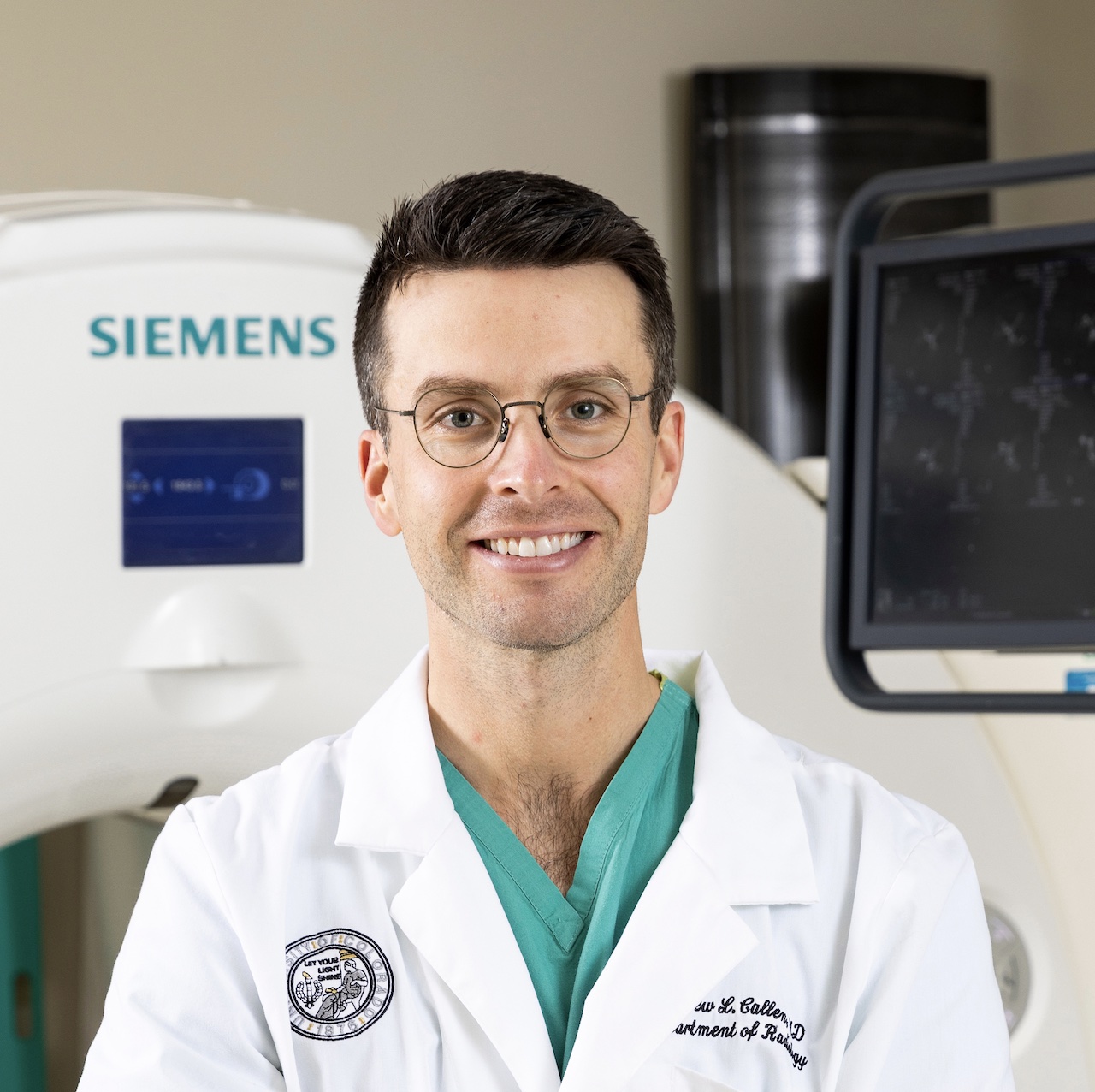
MD
Andrew L. Callen, MD is an Associate Professor of Radiology and Neurology at the University of Colorado School of Medicine. A recognized leader in spinal CSF leak research and care, Dr. Callen is the founder and Director of the CU CSF Leak Program, the first multidisciplinary center in Colorado dedicated to the diagnosis and treatment of CSF leaks. Under his leadership, the program has become a national and international referral hub, pioneering advanced imaging and therapeutic techniques that have significantly improved patient outcomes.
Dr. Callen has published extensively, including over 60 manuscripts, with more than 30 peer-reviewed publications and two textbook chapters focusing on CSF dynamics and spinal CSF leaks. He is also the inventor of a novel patient positioning device for dynamic CT myelography, which enhances diagnostic accuracy for CSF leaks.
In addition to his research, Dr. Callen is a founding member of the International Spinal CSF Leak Society and serves on the medical advisory boards for the U.S. and Canadian Spinal CSF Leak Foundations. He is the Course Director of the annual Spinal CSF Leak: Bridging the Gap conference, a unique event that integrates patient narratives with expert insights to drive innovation in CSF leak diagnosis and treatment.